Brand Purpose

Brand Purpose at Red Marrow defines the deeper reason a brand exists beyond commercial ambition — the role it chooses to play in people’s lives and in the world. In a progressive market like Dubai, branding must stand for something meaningful to build lasting connection and trust. We uncover and articulate a purpose that is authentic, strategically aligned, and operationally actionable. When clearly defined, Brand Purpose becomes the compass that guides culture, communication, and long-term brand growth.
Tissoli

In the UAE’s ultra-competitive luxury real estate market, the word “luxury” has become diluted. Developers frequently rely on gold accents, grand promises, and overused superlatives to signal prestige. Yet true luxury is no longer defined by embellishment — it is defined by curation, discretion, and architectural integrity. Into this saturated landscape entered Tissoli — a developer with the ambition to become the go-to name in refined, high-end living. To achieve that ambition, Tissoli required more than a logo. It required a brand with authority.

Read MoreTissoli

Emaad

In Somalia, the real estate sector has historically been driven by function over vision. While demand for quality housing has grown—particularly among returning diaspora and upwardly mobile locals—the market has lacked cohesive master-planned communities that meet international standards. Amid reconstruction and renewed economic optimism, a new generation of developers began emerging. Yet most brands relied on generic luxury cues, borrowed architectural language, and transactional messaging. Emaad Properties was founded with a different ambition: To introduce international standards of living to Somalia and become a renowned developer across East and West Africa. To achieve this, it required more than projects. It required a vision-led brand.

Read MoreEmaad

Maisour

In the GCC, property ownership has long been aspirational — yet financially exclusionary. Real estate is culturally revered, but structurally inaccessible to younger investors. Maisour entered the market with a radical proposition: Own real estate fractionally. Invest digitally. Start small. But the category faced deep skepticism: Can fractional ownership be trusted? Is digital property investment secure? Is this real estate — or just another fintech promise? Maisour required more than branding. It required belief.

Read MoreMaisour

The East Crest

Jumeirah Village Circle (JVC) has emerged as one of Dubai’s most active residential development corridors. Characterized by mid-rise towers and investor-focused launches, the district is defined by density and competition. Within this landscape, new developers face a critical challenge: credibility. When Meteora Developers prepared to enter JVC, the brand required a powerful debut — one that would establish authority from day one. The East Crest became that moment. It was not just a project. It was the developer’s first statement in the district.

Read MoreThe East Crest

Meteora Developers

Dubai’s real estate market is one of the most brand-conscious property ecosystems in the world. Developers compete not only through architecture and payment plans, but through identity, perception, and visibility. In such a landscape, a weak brand does not merely underperform — it disappears. As Meteora Developers prepared to enter the market with multiple launches in Jumeirah Village Circle (JVC), the company’s existing brand lacked clarity, authority, and memorability. The projects had potential. The brand did not.

Read MoreMeteora Developers

RAI

In industrial manufacturing and trading, longevity often equals credibility. Yet as regional players expand into global markets, heritage alone is no longer enough. International buyers expect clarity, sophistication, and strategic positioning. Rakha Al Khaleej International had nearly four decades of operational history — built on trust, technical reliability, and regional partnerships. However, as the company prepared to make its mark internationally, its brand identity did not fully reflect its scale or ambition. The leadership believed that a new global identity might be required.

Read MoreRAI

Elements by MEYCI

Dubai’s fashion retail landscape is defined by two extremes: global luxury houses and fast-fashion chains. While both dominate mall corridors, there remains a gap for curated concept stores that bring emerging European trends directly to style-conscious consumers. As fashion becomes increasingly globalized through social media, Dubai’s audience — especially young, cosmopolitan shoppers — no longer waits for seasonal diffusion. They seek immediacy, discovery, and exclusivity. Into this environment emerged a new retail vision. Elements by MEYCI aimed to introduce trending European fashion directly to Dubai — not through mass retail, but through curated expression. The concept required a name, a philosophy, and a visual world.

Read MoreElements by MEYCI

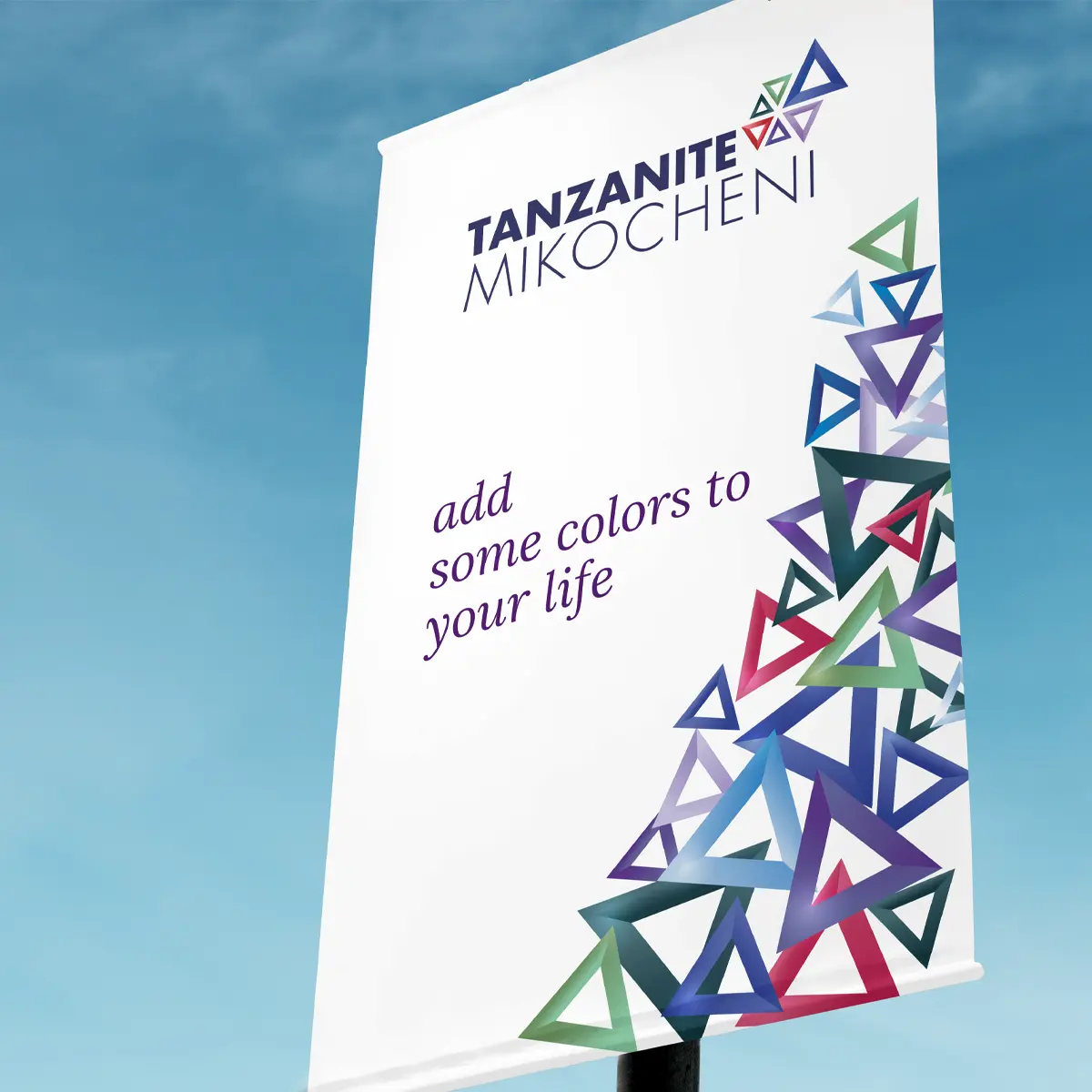
Tanzanite

In emerging urban centers, retail developments often position themselves as commercial hubs before they become cultural landmarks. Many malls compete through scale, tenant mix, or promotional activity — yet few succeed in embedding themselves into the identity of the city itself. For a new retail destination envisioned to anchor its surrounding district, ambition extended beyond leasing strategy. Tanzanite Mall was conceived not merely as a shopping center — but as a name that could define place. To achieve that ambition, the brand required architecture from the ground up.

Read MoreTanzanite

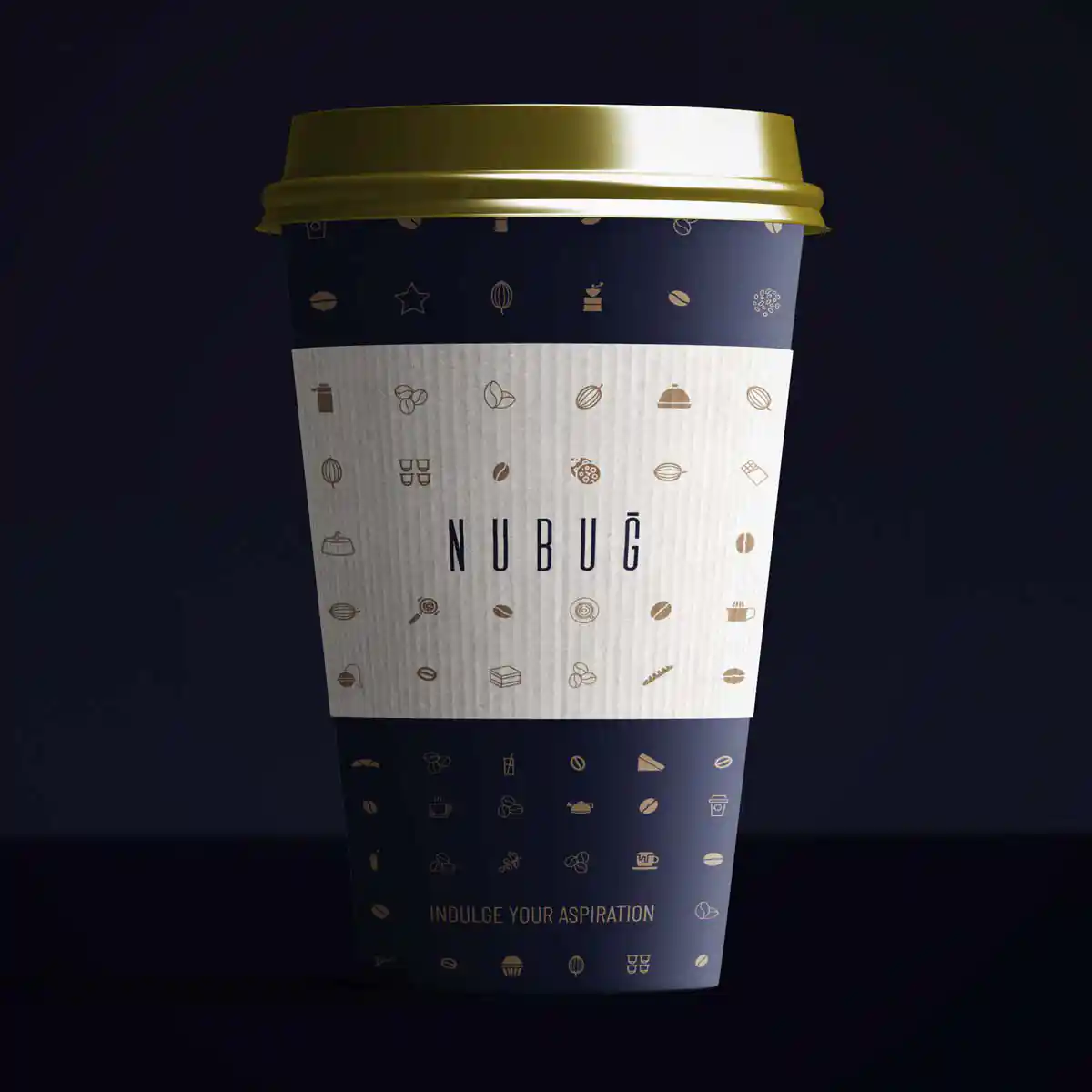
Nubug

In today’s café culture, noise is currency. Many coffee spaces compete through visual maximalism, Instagram-driven interiors, and high-energy atmospheres. Music is louder. Lighting is brighter. Turnover is faster. Yet within urban environments, there exists a quieter demand — for spaces that allow focus, conversation, and pause. Nubug Cafe was envisioned as a different kind of destination: A modern café designed for students, professionals, and thinkers seeking calm within contemporary surroundings. To achieve that balance, the brand needed to be created from zero — name, narrative, and identity.

Read MoreNubug

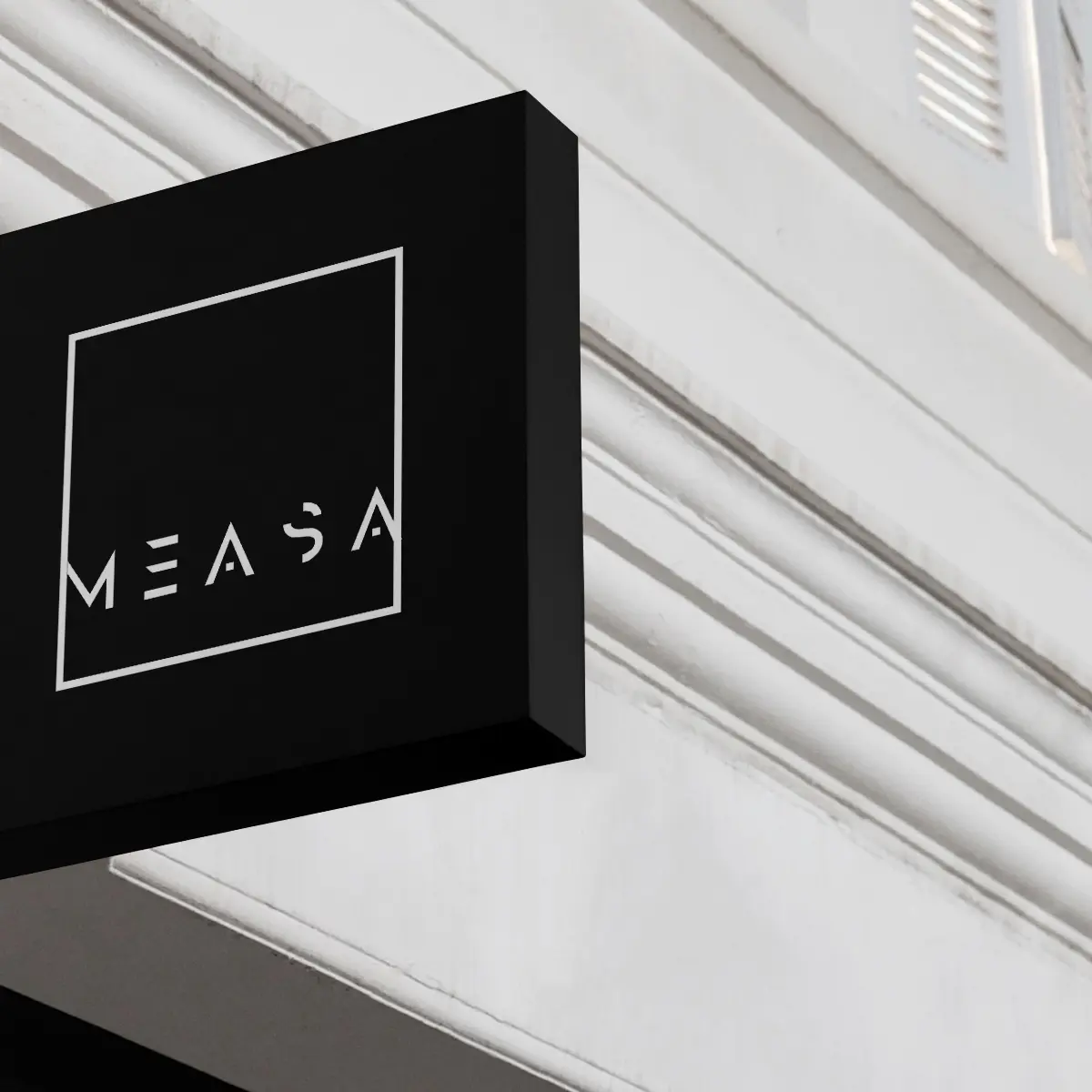
MEASA

In the world of venture funding and innovation capital, perception is power. Investors and founders alike seek partners who project credibility, foresight, and strategic depth. Yet many funding entities rely on predictable corporate aesthetics — conservative logos, generic blue palettes, and transactional messaging. As technology accelerates across AI, advanced engineering, and frontier innovation, capital must signal more than liquidity. It must signal vision. MEASA was established to fund cutting-edge technology projects — backing ideas positioned at the edge of possibility. To operate in that space, the brand itself needed to feel future-ready.

Read MoreMEASA