Brand Identity

Brand Identity at Red Marrow is the visual and verbal articulation of strategic branding — the system that makes a brand instantly recognizable and emotionally resonant. In a design-forward city like Dubai, identity must do more than look refined; it must communicate intent, ambition, and differentiation at first glance. We craft cohesive identity systems — from logo and typography to color, imagery, and tone — that translate positioning into powerful visual language. The result is branding that is not only distinctive, but structurally built to scale, adapt, and endure.

Nugaal

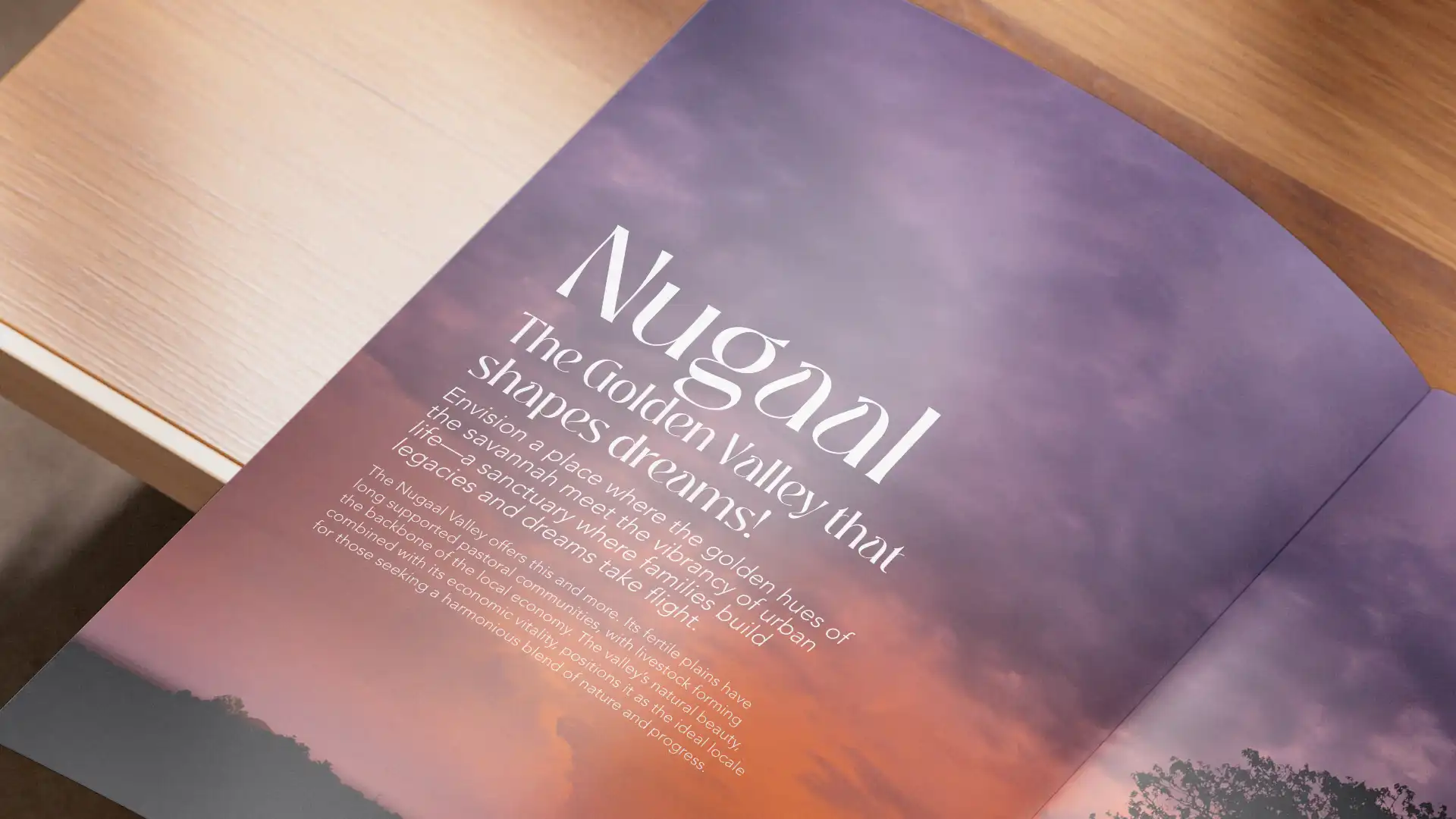
In Somalia’s evolving real estate landscape, housing developments have traditionally focused on functionality rather than community design. While demand for secure, modern living has grown—particularly among diaspora investors and upwardly mobile families—the concept of master-planned, self-sustaining communities remains rare. Located in the promising Nugaal Valley, a new townhouse development sought to redefine residential standards. But to introduce a new way of living in an emerging market, the brand needed to communicate more than square footage and amenities. Nugaal was envisioned as a self-sustaining residential community — one that would bring international quality of life standards to Somalia. To succeed, it required a brand that could translate ambition into belief.

Read MoreNugaal

Viani

As Dubai expands outward, emerging residential districts are redefining how communities form. Areas like Liwan are evolving into the city’s next growth corridors — offering accessibility, infrastructure potential, and room for long-term value appreciation. Yet in newly developing communities, perception is fragile. Buyers and investors look for confidence signals. Early projects must establish credibility not just for themselves, but for the district. When Meteora Developers prepared to launch its first project outside Jumeirah Village Circle (JVC), the move represented more than geographic expansion. Viani marked a new chapter.

Read MoreViani

Skyline

In the UAE’s rapidly vertical urban landscape, facilities management companies operate behind the scenes. While skyscrapers define city identities, the brands responsible for maintaining them often remain invisible. The façade cleaning sector, in particular, is highly technical, compliance-driven, and operationally complex — yet branding within the industry is typically generic, utilitarian, and interchangeable. Skyline entered the market with a clear ambition: To become the most trusted name in façade cleaning. However, to earn recognition in a crowded, specification-led industry, the company needed more than capability. It needed a distinct identity.

Read MoreSkyline

Tissoli

In the UAE’s ultra-competitive luxury real estate market, the word “luxury” has become diluted. Developers frequently rely on gold accents, grand promises, and overused superlatives to signal prestige. Yet true luxury is no longer defined by embellishment — it is defined by curation, discretion, and architectural integrity. Into this saturated landscape entered Tissoli — a developer with the ambition to become the go-to name in refined, high-end living. To achieve that ambition, Tissoli required more than a logo. It required a brand with authority.

Read MoreTissoli

Emaad

In Somalia, the real estate sector has historically been driven by function over vision. While demand for quality housing has grown—particularly among returning diaspora and upwardly mobile locals—the market has lacked cohesive master-planned communities that meet international standards. Amid reconstruction and renewed economic optimism, a new generation of developers began emerging. Yet most brands relied on generic luxury cues, borrowed architectural language, and transactional messaging. Emaad Properties was founded with a different ambition: To introduce international standards of living to Somalia and become a renowned developer across East and West Africa. To achieve this, it required more than projects. It required a vision-led brand.

Read MoreEmaad

Vivanti

Jumeirah Village Circle (JVC) has become one of Dubai’s most active residential ecosystems — defined by rapid launches, investor-driven inventory, and intense competition. As the district matured, differentiation became increasingly difficult. Larger developments required stronger narratives. Scale alone was no longer enough. When Meteora Developers prepared to introduce its fifth project in JVC — and one of the largest in the district, comprising 500 units — the stakes were significantly higher. Vivanti was not simply another addition to the portfolio. It was a statement of scale.

Read MoreVivanti

Maisour

In the GCC, property ownership has long been aspirational — yet financially exclusionary. Real estate is culturally revered, but structurally inaccessible to younger investors. Maisour entered the market with a radical proposition: Own real estate fractionally. Invest digitally. Start small. But the category faced deep skepticism: Can fractional ownership be trusted? Is digital property investment secure? Is this real estate — or just another fintech promise? Maisour required more than branding. It required belief.

Read MoreMaisour

Park Boulevard

In Dubai’s high-density residential zones, new developments compete in a crowded mid-market landscape. Projects often emphasize price, unit mix, and amenities — while lifestyle narratives remain interchangeable. Located in Jumeirah Village Circle (JVC), a rapidly growing community known for its accessibility and family appeal, Park Boulevard entered a market saturated with apartment launches. Yet while many developments focused inward — on interiors and facilities — few articulated the emotional value of proximity to green space. Park Boulevard required more than project marketing. It needed a living philosophy.

Read MorePark Boulevard

Vita Grande

Dubai’s mid-to-premium residential segment is defined by constant launches, aggressive timelines, and repetitive marketing language. In communities like Jumeirah Village Circle (JVC), projects often compete on price points, amenities, and investor ROI — creating visual and verbal sameness. By the time Meteora Developers introduced its third project, the developer had already begun establishing credibility in the market. However, sustaining momentum required strategic evolution — not repetition. Vita Grande needed to signal growth, maturity, and ambition.

Read MoreVita Grande

NuLumenTek

In the lighting and electrical technology sector, brands often communicate through technical specifications rather than identity. Product catalogs dominate. Visual language is secondary. Differentiation is minimal. Yet as smart infrastructure, architectural lighting, and energy-efficient systems become increasingly central to modern developments, perception matters more than ever. NuLumenTek operated in this technically driven environment, delivering advanced lighting and electrical solutions. However, its brand presence did not fully reflect the sophistication of its offering. The company required evolution — not reinvention.

Read MoreNuLumenTek