
Start With Meaning, Not a Mark: Why Emotional Design Comes Before the Logo
Effective branding starts with defining core beliefs and emotional resonance, creating trust and differentiation before designing a logo, which then visually embodies the brand's deeper purpose.
Most brands dive straight into logo design, only to realize later their identity feels hollow and forgettable. You’ve probably seen it: polished visuals with no real connection, failing to earn trust or stand out. Future-ready branding demands a different path—one where emotional design defines what your brand means before the logo even exists. In this post, you’ll learn why starting with belief, clarity, and emotional resonance creates brand trust that lasts far beyond first impressions. Learn more about emotional design here.
Emotional Design Before Logos
Starting with meaning and emotion instead of a logo creates a brand foundation that resonates deeply. This approach leads to trust and differentiation in a crowded market.
Myth of Logo-First Branding
Many believe that a logo is the first step in building a brand. This misconception often leads to brands that look polished but feel generic. A logo, while important, is just one part of the brand identity system. It’s crucial to define what the brand stands for before creating its visual markers. A brand built on emotional design and purpose has a clear, compelling story that a logo alone cannot convey.
Emotional Design as Foundation
Emotional design forms the core of a meaningful brand. When you start with the emotional drivers of your audience, you create a brand identity that speaks to their hearts. This approach goes beyond aesthetics, focusing on how your brand makes people feel and what it stands for. By embedding emotional resonance into your brand’s foundation, you ensure that every visual element—including the logo—reflects something much deeper.
Real-World Branding Frustrations
In practice, brands that ignore emotional design often face challenges. They struggle with connecting to their audience and standing out in the market. The frustration of investing in visuals that fail to build trust is common. But brands that prioritize emotional connections and purpose-driven narratives achieve lasting impact. They don’t just look good; they feel relevant and necessary to their audience.
Building a Meaningful Brand
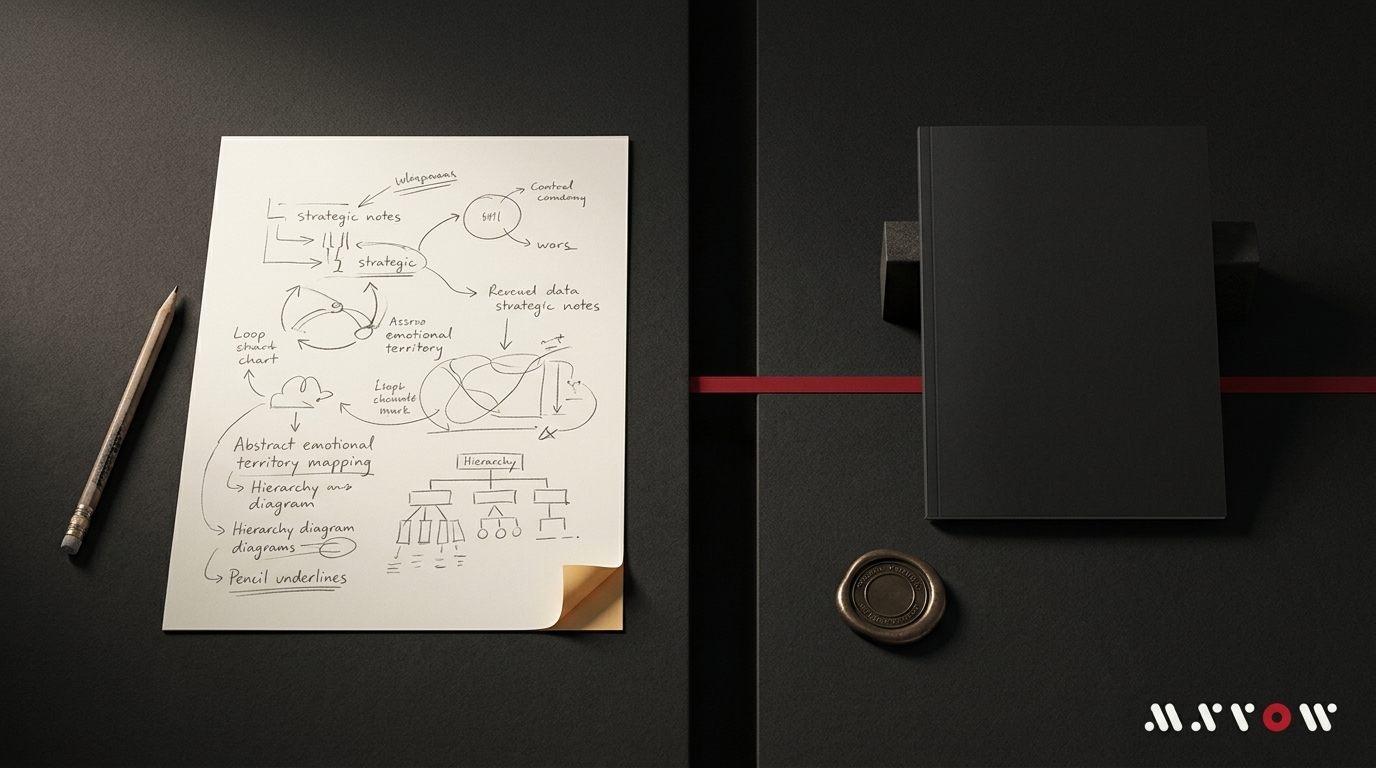
Creating a brand that resonates starts with introspection and clarity. This sets the stage for a strong emotional connection with your audience.
Starting with Belief and Purpose
A brand’s journey begins with defining its core beliefs and purpose. These elements guide every decision, from messaging to design. By understanding what your brand stands for, you create a roadmap for emotional engagement. This clarity helps in crafting narratives that resonate with your audience’s values and aspirations, setting the foundation for lasting connections.
Establishing Clarity and Relevance
Clarity and audience relevance are critical in brand development. Brands must articulate their value proposition clearly. This involves communicating how your brand meets the needs and desires of your audience. By focusing on clarity, you ensure that your brand remains aligned with its purpose and resonates with its intended audience, increasing trust and loyalty.
Emotional Resonance and Connection
Emotional resonance bridges the gap between your brand and its audience. By tapping into emotions, you create connections that go beyond the transactional. Brands that evoke emotions like trust, joy, or nostalgia are more memorable and influential. These emotional ties drive brand loyalty and advocacy, as customers feel an authentic connection to the brand’s story and mission.
Visual Identity as Expression
A brand’s visual identity is an expression of its meaning and purpose. It’s not just about aesthetics; it’s about telling a story through visuals.
Role of Logos in Brand Identity
Logos play a significant role in brand identity, but they are not the entirety of it. They serve as visual shorthand for the brand’s essence. A well-designed logo embodies the brand’s values and emotional messages. It acts as a symbol that encapsulates what the brand stands for, making it an integral part of the broader visual identity system.
Creating Trust and Differentiation
A strategic design approach ensures that your brand stands out while building trust. Differentiation comes from a deep understanding of what makes your brand unique. By aligning your visual identity with your brand’s purpose, you enhance recognition and loyalty. This strategic alignment is crucial in markets where attention is hard to capture and trust is hard to earn.
Strategic Design for Future-Ready Brands
Future-ready brands use strategic design to stay relevant and vibrant. They focus on creating a cohesive identity that can adapt to changing markets. Strategic design ensures that all brand elements work together harmoniously, from logos to digital experiences. This approach positions brands to thrive in an ever-changing landscape, securing long-term success.
Frequently Asked Questions
Why is emotional design important in branding?
Emotional design is crucial because it builds a deep connection with the audience. It goes beyond aesthetics, focusing on how the brand makes people feel, which is essential for creating lasting brand loyalty and differentiation.
How does a logo fit into brand identity?
A logo is a key element of brand identity but not the entirety of it. It serves as a visual representation of the brand’s values and message, acting as a symbol that encapsulates what the brand stands for.
What is the first step in building a meaningful brand?
The first step is defining the brand’s core beliefs and purpose. This determines the brand’s narrative and guides all strategic decisions, ensuring clarity and audience relevance.